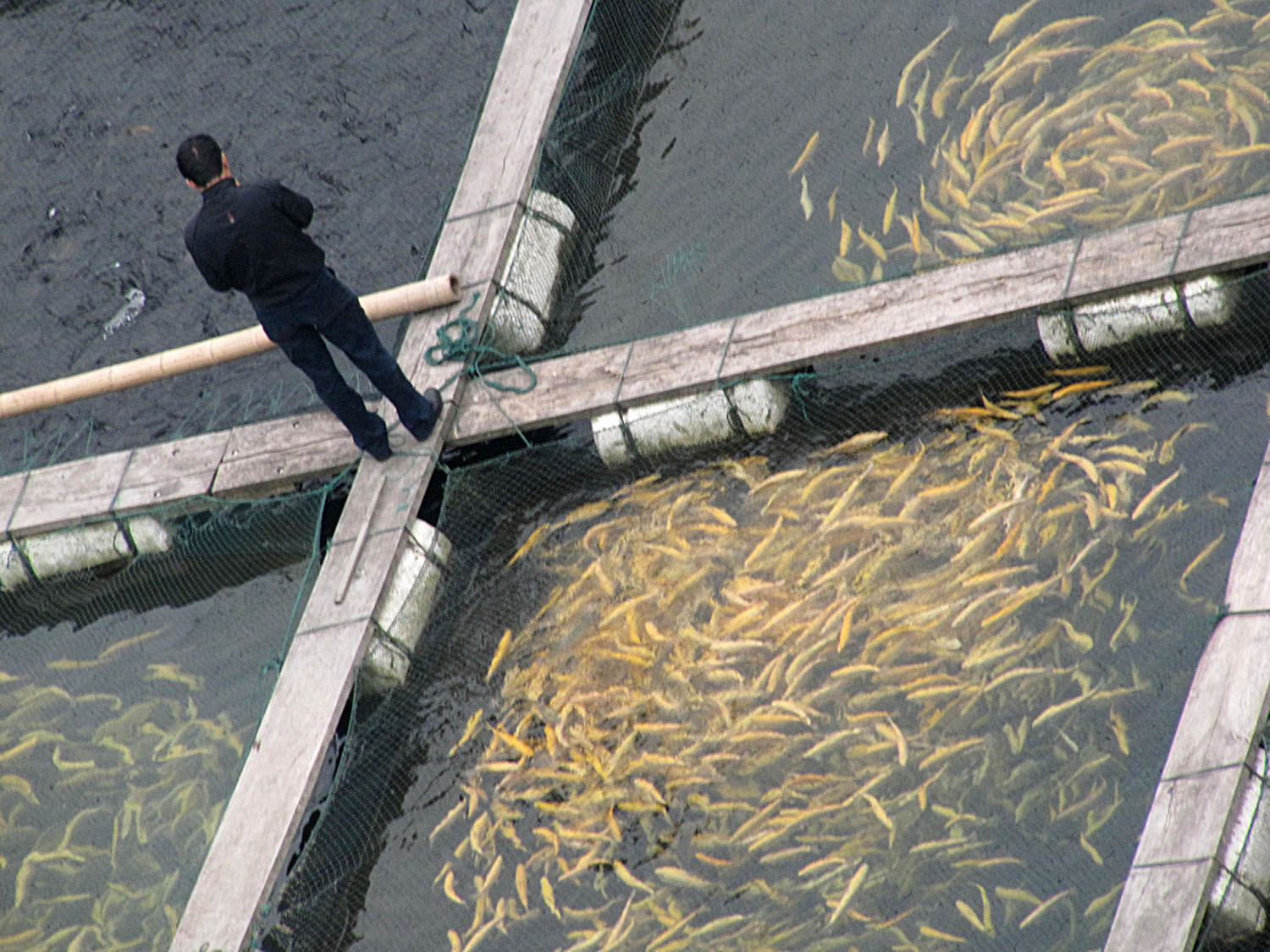
 The USDA has recently announced that it will begin providing payments to eligible farmers who have experienced losses since the livestock disaster assistance programs expired in 2011 as a part of the 2014 Farm Bill. This policy will cover farmers who have experienced "excess of normal mortality [of livestock] due to adverse weather". This covers death losses as well as grazing losses due to weather events such as droughts, wildfires, even blizzards. Disease is also considered as a claim for "disaster assistance". The assistance is provided through three main agencies: the Livestock Indemnity Program, the Livestock Forage Disaster Program, and finally the Emergency Assistance for Livestock, Honeybees and Farm-Raised Fish Program. There different requirements producers must meet to qualify for aid from the different agencies such as certain time constraints, being on publicly managed land, being hit by a drought above a specified severity(D2, D3, D4), or owning/leasing the affected livestock.
Is adverse weather a problem for farmers? Yes. Is it a disaster? I'm not sure, but does it matter?
This post ties back into our first discussions on defining "disaster" and more recently our discussion on discourse. It is extremely hard to determine what is or isn't a disaster, it is a definite gray area. For the sake of argument, this post will continue under the assumption that this policy making is in fact in response to a disaster not just using "disaster" to draw a reaction (another possibility).
 The grounds for the disaster assistance policy are the basics of the problem so to speak. Adverse weather is causing a loss in grazing lands as well death losses of livestock, honeybees, and fish. Droughts and wildfires are destroying grazing land. Droughts, fires, disease, blizzards and other events are increasing the normal mortality rate these producers experience.
The warrants are the justifications for the policy. On a macro level, when producers experience losses it impacts food prices and as a result could negatively impact the economy. On a micro level, this impacts the livelihoods of the producers thus impacting their individual spending habits as well as impacting the disposable income of the consumer again having an effect on the economy.
The conclusion is the specific outline for action. This is the requirements of each agency for a producer to receive aid as mentioned above. The USDA has already announced multiple states that will be receiving aid: Texas, Nevada, Arizona, Oklahoma, as well as Idaho among others. The policy provides payments for drought are "equal to 60 percent of the monthly feed cost for up to five months". The losses had to have occurred on or after Oct 1, 2011 and be documented thoroughly. The registration for disaster assistance began April 15, 2014. The hope is to mediate the economic impact of these adverse weather affects. Basics of the policy are outlined by the 2014 Farm Bill (see link below) but more specific details can be obtained from local offices.
While the debate could be had about whether these adverse weather affects are really substantial enough to be considered a disaster, the fact that the USDA is using disaster discourse is clear. The grounds, warrants, and conclusions are all present in their announcements, policy legislation as well as in the media.
2014 Farm Bill Fact Sheet http://www.fsa.usda.gov/Internet/FSA_File/lfp_2014_fbill.pdf
Other links:
http://www.fsa.usda.gov/FSA/webapp?area=home&subject=diap&topic=landing

No comments:
Post a Comment