What do Sudanese famine and the Chernobyl nuclear accident have in common? Is there anything to be learned from a response to a drought when assembling aid for typhoon victims? Not all disasters are alike and the responses to them vary as well. Our task, as political scientists, is to uncover patterns of similarity and difference that will help us in making sense of the world of disasters. This is a little bit like the analogy questions on SATs.
Should we study disasters as variations on the same kind of phenonmenon?
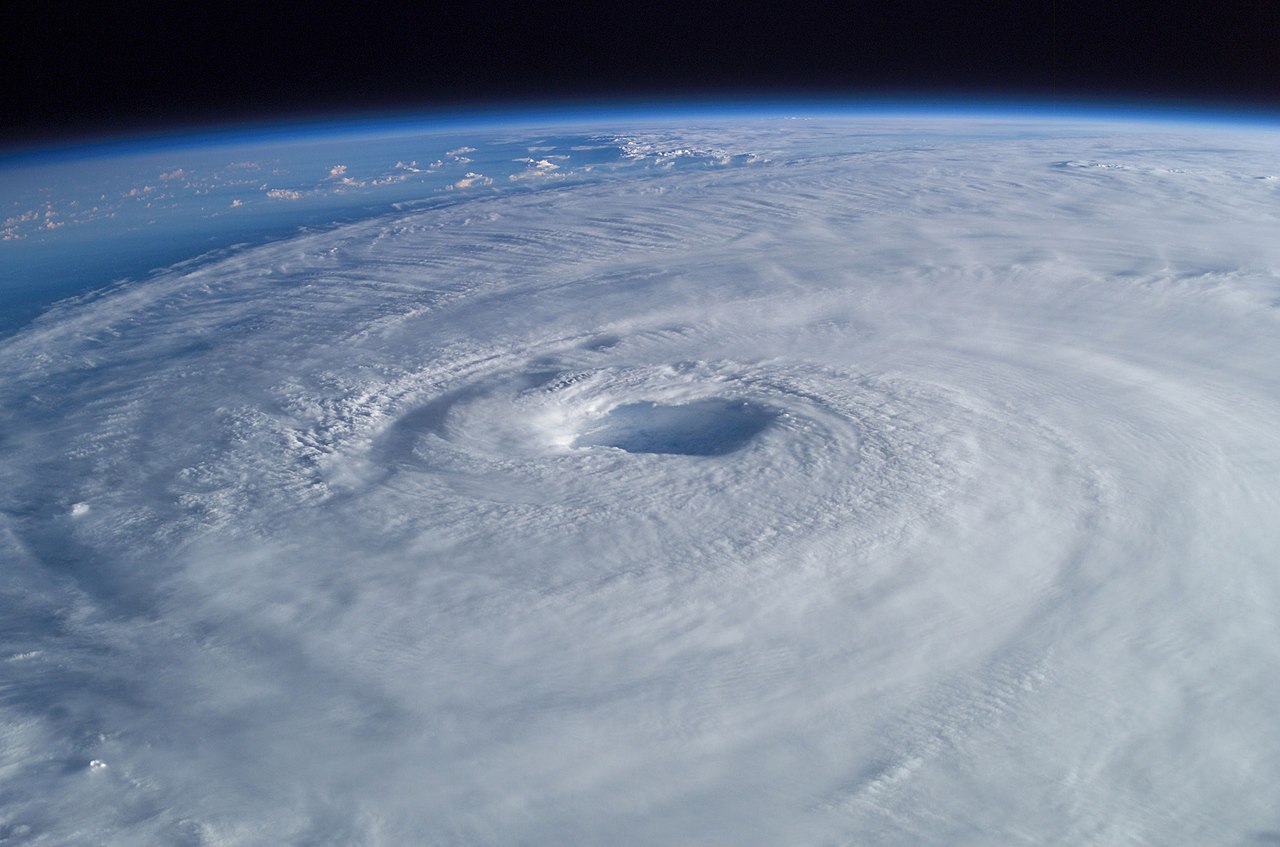
TYPHOON : HURRICANE
RED : MAGENTA
Should we emphasize the consequences of certain disasters?


DROUGHT : REFUGEE FLOWS
SPEEDING : TICKET
Should we differentiate between disasters based on the role that humans play in their prevention / consquences?


TORNADO : NUCLEAR ACCIDENT
ROCK : SCISSORS
Should we consider the variation among disasters based on the extent to which they affect multiple countries?


LOCAL FLOODING : TSUNAMI
CITY HALL : UNITED NATIONS ORGANIZATION
Should we study the degree to which we are certain about the outcome of disasters?


EARTHQUAKE : CLIMATE CHANGE
CONTRACT : LOTTERY
Whether or not all these analogies hold up when you think about them more deeply, they all raise valid lenses through which we can study the nature of disasters, their sources, consequences, as well as the likelihood, extent, and kind of international intervention. Finding the right analogy is the biggest challenge. It is important to remember that there is no single answer although all the answers should stem from a theory that can support (y)our argument and that allows us to consider evidence from a variety of sources in a systematic way. Only this approach permits comparisons of seemingly very different instances of disaster and even make them productive. So go ahead, see if you can come up with a lens and relevant examples of your own!

No comments:
Post a Comment